
Are you a vegan hydroponic gardener looking for budget-friendly alternatives to fish emulsion? You’ve come to the right place.
Finding the perfect nutrient solution without fish products can be a real challenge. But don’t worry, there are several low-cost options that can keep your plants thriving. Imagine nourishing your garden with simple ingredients that are kind to both your wallet and the planet.
This article will reveal the secrets to effective, affordable, and vegan-friendly nutrient solutions. Get ready to transform your gardening experience and achieve lush growth without compromising your values. Keep reading to discover these game-changing alternatives!
Benefits Of Vegan Hydroponics
Vegan hydroponics offers a sustainable way to grow plants without animal-based inputs. This method aligns with vegan values and benefits the environment. Using plant-based nutrients ensures a cruelty-free approach to gardening. Additionally, it reduces reliance on traditional fertilizers.
Environmental Impact
Vegan hydroponics minimizes pollution from agricultural runoff. Plant-based nutrients lower the chances of contaminating water sources. This method supports a cleaner ecosystem. It promotes biodiversity by reducing chemical interference.
Healthier Produce
Plants grown in vegan hydroponics are free from animal-based chemicals. This results in cleaner produce with fewer toxins. Consumers enjoy fresh vegetables with improved taste. The absence of harmful substances contributes to better health.
Cost-effective Solutions
Vegan hydroponics often uses inexpensive organic materials. These alternatives are readily available and budget-friendly. Gardeners save money on expensive fertilizers. They can invest in other aspects of their gardening projects.
Ethical Gardening
Using plant-based nutrients supports ethical farming practices. It aligns with the principles of kindness and respect for all life forms. Vegan hydroponics ensures that no animal products are involved. This offers peace of mind to compassionate gardeners.
Ease Of Maintenance
Vegan hydroponics requires less maintenance than traditional methods. Plant-based nutrients are simpler to manage. Gardeners face fewer challenges with nutrient balance. This method is ideal for those new to hydroponics.
Enhanced Growth
Plants thrive with the right balance of plant-based nutrients. Vegan hydroponics supports robust growth and vibrant foliage. This method fosters strong root systems and healthy plants. Gardeners witness impressive results with minimal effort.

Credit: www.amazon.com
What Is Fish Emulsion?
Fish emulsion is a liquid fertilizer made from fish waste, providing nutrients for plant growth. Vegan hydroponic gardeners seek low-cost alternatives to fish emulsion, such as seaweed extract or compost tea, to nurture their plants without animal products.
In the world of hydroponic gardening, fish emulsion often pops up as a nutrient-rich fertilizer. It’s made from the byproducts of fish processing, providing a natural source of essential nutrients for plants. However, for vegan gardeners, using animal-derived products can be a no-go. So, what exactly is fish emulsion, and why might you seek alternatives?Understanding Fish Emulsion
Fish emulsion is a liquid fertilizer produced from the fish waste left over after processing. It contains a mix of fish oil, fish meat, and soluble proteins, making it rich in nutrients like nitrogen, phosphorus, and potassium. These nutrients help promote healthy plant growth and improve soil quality. You might wonder if fish emulsion is necessary for your hydroponic setup. It’s popular because it’s organic and easy to apply, but it might not align with your vegan values. This is where alternatives come into play. If you’re committed to vegan gardening, you’re probably looking for ways to nourish your plants without animal products. Fish emulsion, while effective, doesn’t fit the bill. Fortunately, there are plant-based options that can provide similar benefits. Consider whether you want to maintain an entirely plant-based nutrient system. Alternatives to fish emulsion can support this goal while still delivering the nutrients your plants need. One alternative is alfalfa meal, which is a natural fertilizer rich in nitrogen. It’s derived from the alfalfa plant and can boost plant growth effectively. Another option is kelp extract, a seaweed-based fertilizer that provides essential trace minerals and growth hormones. It’s an excellent choice for promoting robust root development.Personal Experience With Vegan Fertilizers
In my own hydroponic garden, switching from fish emulsion to kelp extract made a noticeable difference. My plants seemed to thrive, and I was content knowing they were nourished without animal products. What’s your experience with vegan alternatives? Have you noticed any changes in plant health or growth rates? Sharing insights can help other gardeners make informed choices.Making The Switch
If you’re ready to replace fish emulsion, start by experimenting with small doses of plant-based alternatives. Monitor your plants’ response and adjust as necessary. Choosing the right fertilizer is crucial for a thriving garden. Make sure it aligns with your values and meets your plants’ nutritional needs. Your garden’s success depends on it.Why Seek Alternatives?
Fish emulsion is a common nutrient source in hydroponics. It offers essential nutrients that plants need. Yet, vegan hydroponic gardeners often seek alternatives. Why? Several reasons drive this shift. Understanding these reasons can help in making informed choices.
Environmental Concerns
Fish emulsion production impacts marine ecosystems. Overfishing threatens fish populations. This disrupts ocean balance. Seeking alternatives reduces these environmental pressures. Choosing plant-based nutrients can help preserve marine life.
Cost Considerations
Fish emulsion can be expensive. Prices fluctuate with market demands. This impacts gardeners’ budgets. Seeking alternatives offers cost stability. Plant-based options often cost less. They provide a budget-friendly solution.
Vegan Lifestyle Choices
Vegan gardeners avoid animal products. Fish emulsion conflicts with these values. Plant-based alternatives align with vegan principles. They offer a cruelty-free option. This supports a vegan lifestyle while gardening.
Plant-based Nutrient Solutions
Hydroponic gardening is gaining popularity among vegan gardeners who want to grow plants without animal-derived products. Fish emulsion, a common nutrient source, is not suitable for vegans. Fortunately, plant-based nutrient solutions offer a sustainable and ethical alternative. These options not only support plant growth but also align with vegan principles.
Compost Tea
Compost tea is a liquid fertilizer made from steeping compost in water. It’s packed with nutrients, beneficial microbes, and organic matter. You can easily make it at home using kitchen scraps, yard waste, or store-bought compost.
To prepare compost tea, fill a bucket with water, add a handful of compost, and let it steep for 24 to 48 hours. Stir occasionally. Strain the liquid and apply it directly to your hydroponic system.
Using compost tea can improve plant health and soil structure. Have you ever tried making compost tea using only your kitchen scraps? It’s a satisfying and eco-friendly way to recycle and nourish your plants!
Seaweed Extracts
Seaweed extracts are another excellent plant-based nutrient solution. Rich in minerals, vitamins, and growth hormones, they can enhance plant growth and resilience. Seaweed is harvested sustainably, making it a great choice for eco-conscious gardeners.
Liquid seaweed extracts can be purchased at gardening stores. Simply add them to your hydroponic system according to the manufacturer’s instructions. These extracts can boost root development and increase resistance to pests.
Have you ever considered the impact of seaweed on your garden? Its natural growth-enhancing properties might surprise you. Why not try adding seaweed extracts to your hydroponic setup and observe the difference?
Choosing plant-based nutrient solutions not only supports your vegan lifestyle but also contributes to sustainable gardening practices. With options like compost tea and seaweed extracts, you can ensure your hydroponic garden thrives while staying true to your values.
Homemade Nutrient Mixes
Discover budget-friendly alternatives to fish emulsion for vegan hydroponic gardens. Homemade nutrient mixes offer sustainable plant nourishment. They ensure healthy growth without animal-derived products.
As a vegan hydroponic gardener, you might be on the lookout for sustainable ways to nourish your plants without using traditional fish emulsion. Homemade nutrient mixes can be a great solution. They are budget-friendly, easy to make, and align with your eco-friendly values. You can create these nutrient boosters right in your kitchen using everyday items. Let’s dive into some creative and effective homemade alternatives that your plants will love.Banana Peel Fertilizer
Banana peels are a treasure trove of nutrients. They are rich in potassium, which is essential for plant growth. You can easily transform them into a powerful fertilizer for your hydroponic setup. Start by collecting banana peels and cutting them into smaller pieces. Boil them in water for about 15 minutes to extract the nutrients. Once cooled, use the water to feed your plants. This simple process transforms kitchen waste into a valuable plant booster. Have you ever noticed how fast bananas ripen? Their peels decompose just as quickly, releasing nutrients into the water efficiently. This method not only feeds your plants but also reduces household waste.Legume Water
You probably have lentils or beans sitting in your pantry. These legumes can serve as a fantastic alternative to fish emulsion. They release nitrogen, a crucial element that supports leafy growth in plants. Soak a cup of beans or lentils overnight in water. The following day, you’ll notice the water has turned slightly cloudy. This is your nutrient-rich legume water. Use it directly in your hydroponic system to boost plant growth. Legumes are not just a protein powerhouse for humans; they can work wonders for your plants too. This method is a great example of how everyday kitchen items can double up as plant food. Wouldn’t you agree that it’s satisfying to use resources wisely? Creating these homemade nutrient mixes empowers you to control what goes into your plants. Plus, you get the joy of seeing them thrive with your DIY solutions. Have you tried any other kitchen ingredients as plant fertilizers? Share your experiences or questions in the comments below!Commercial Vegan Products
When you’re nurturing a vegan hydroponic garden, finding alternatives to fish emulsion can be a challenge. Luckily, commercial vegan products offer convenient solutions. These products can fit seamlessly into your gardening routine, making it easier to grow healthy plants without compromising your vegan principles. You may find that using these products not only supports your ethical choices but also enhances your garden’s vitality.
Organic Options
Organic vegan fertilizers are a fantastic choice for your hydroponic garden. They often include ingredients like seaweed extract or alfalfa meal. These components provide essential nutrients to your plants, promoting robust growth. When selecting an organic product, check the label for certification. This ensures it meets strict standards for organic gardening. Have you tried using organic compost tea? It’s a simple DIY option that’s both sustainable and effective.
Budget-friendly Choices
Gardening on a budget doesn’t mean sacrificing quality. There are many cost-effective vegan fertilizers available. Look for products that utilize plant-based waste, such as soybean meal or cottonseed meal. These alternatives are often cheaper than fish-based products. You might be surprised how well they perform. Can you find a local supplier who offers bulk discounts? That could save you even more money.
Another tip is to make your own vegan fertilizer at home. With a few simple ingredients, you can create a nutrient-rich mix that supports healthy plant growth. Making your own fertilizer is not only economical but also gives you control over what goes into your garden. Do you have any favorite DIY recipes you’d recommend?
Choosing commercial vegan products means contributing to a cleaner environment. You help reduce reliance on animal products while still achieving excellent results in your garden. Next time you’re shopping for gardening supplies, consider the vegan options. They might just surprise you with their effectiveness and affordability.
Tips For Effective Vegan Hydroponics
Vegan hydroponics offers a sustainable way to cultivate plants without animal-derived products. As you navigate this method, understanding the nuances can enhance your gardening success. Here’s how to effectively manage your vegan hydroponic garden.
Monitoring Nutrient Levels
Ensuring your plants receive the right nutrients is crucial for growth. Regularly check nutrient levels using a reliable hydroponic nutrient test kit. This helps you identify deficiencies early and make necessary adjustments.
Consider using plant-based nutrient solutions. Options like seaweed extracts or compost teas can provide essential elements without harming the environment. They’re often less expensive than traditional fish emulsion.
Document your observations. A simple journal noting nutrient levels and plant responses can offer insights over time. This practice saves you from repeating mistakes and helps refine your approach.
Balancing Ph
Maintaining an optimal pH level is vital for nutrient uptake. Aim for a pH range between 5.5 and 6.5 for most hydroponic systems. Regular testing ensures your plants are absorbing nutrients efficiently.
Use natural pH adjusters. Lemon juice or diluted vinegar can lower pH, while baking soda can increase it. These alternatives are both effective and budget-friendly.
Remember, pH fluctuations can stress plants. Keep an eye out for signs like yellowing leaves or stunted growth. How can you ensure your pH levels remain stable? Consider investing in an automatic pH controller if budget allows.
By focusing on nutrient levels and pH balance, you set your vegan hydroponics up for success. What adjustments have you found most impactful? Share your thoughts and tips, and let’s enrich our gardening journey together.
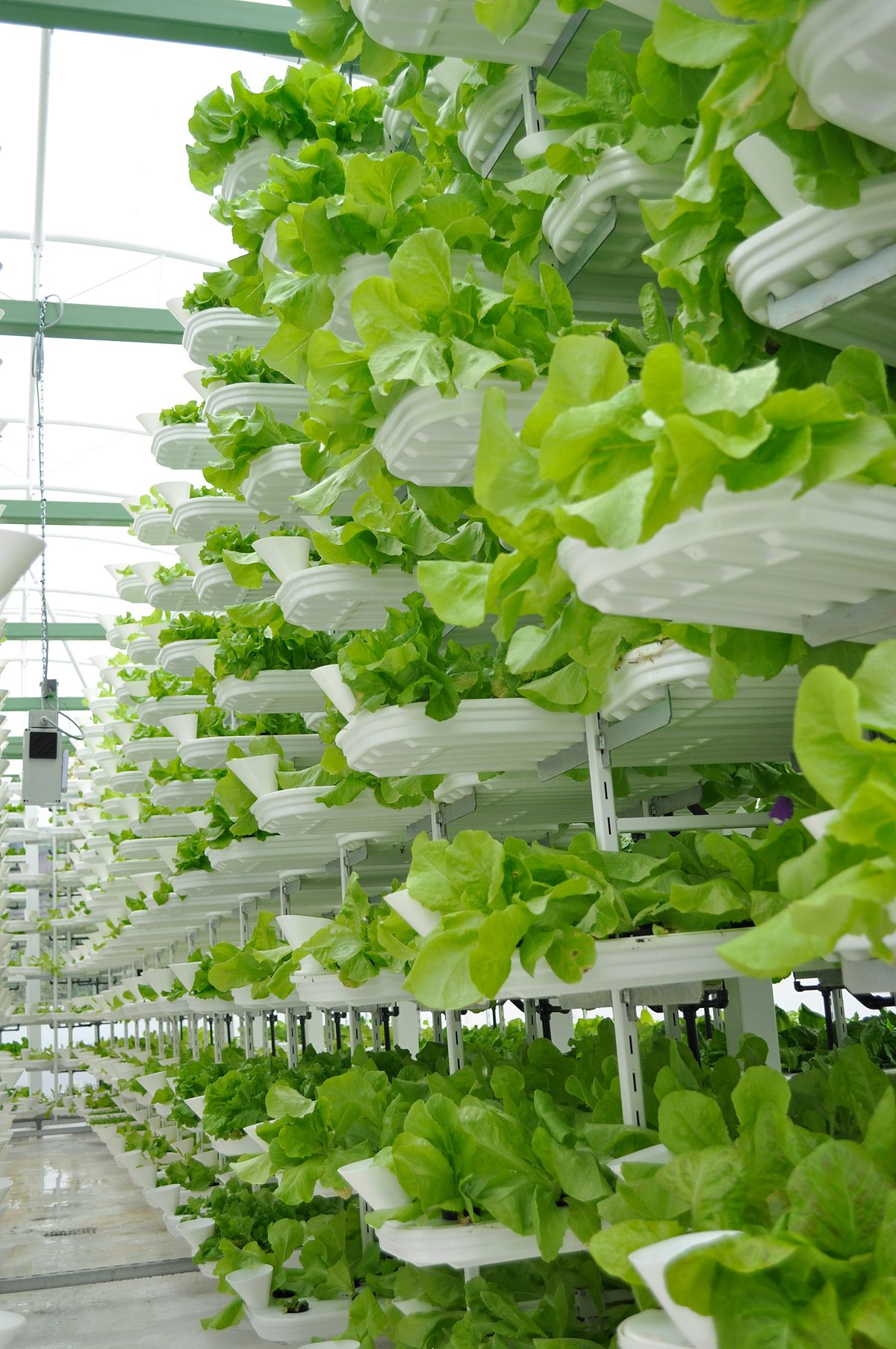
Credit: en.wikipedia.org
Common Challenges And Solutions
Vegan hydroponic gardening offers a sustainable way to grow plants. Yet, many gardeners face challenges. Especially when avoiding fish-based nutrients. This section explores common challenges and easy solutions. We will focus on nutrient deficiencies and pest management.
Nutrient Deficiencies
Vegan hydroponic systems often lack certain nutrients. Fish emulsion is rich in essential nutrients. Without it, plants may suffer. Yellowing leaves signal a lack of nitrogen. Add plant-based fertilizers to solve this. Soybean meal or alfalfa pellets work well. Magnesium deficiencies cause leaf curling. Epsom salt is a good solution. Use it sparingly for best results.
Pest Management
Pests can be a big problem in hydroponic gardens. Without fish emulsion, some natural deterrents are missing. To manage pests, try neem oil. It is plant-based and effective. Garlic spray also helps keep pests away. Keep your garden clean. Remove any dead leaves or debris. This prevents pest infestations from spreading.

Credit: www.amazon.com
Frequently Asked Questions
What Is A Vegan Alternative To Fish Fertilizer?
A vegan alternative to fish fertilizer is seaweed or kelp fertilizer. These options provide essential nutrients for plants. They improve soil health and promote plant growth. Alfalfa meal and composted plant materials also serve as excellent vegan fertilizers. Use them to enrich your garden sustainably.
How Do I Make My Own Fish Emulsion?
To make fish emulsion, blend fish scraps with water. Add molasses for nutrients. Let it ferment for weeks. Stir daily to aerate. Strain and store the liquid in a cool place. Use it as a natural fertilizer for plants. Always dilute before application to avoid burning plants.
Is Seasol A Fish Emulsion?
Seasol is not a fish emulsion. It is a plant-based seaweed concentrate. It provides essential nutrients for healthy plant growth. Seasol enhances root development and improves stress resistance. It is an eco-friendly solution, suitable for organic gardening. Use Seasol to promote vigorous growth and improve soil health.
Can You Use Fish Emulsion In A Hydroponic System?
Yes, fish emulsion can be used in hydroponic systems. It provides essential nutrients and promotes plant growth. Ensure proper dilution and filtration to prevent clogging. Regularly monitor nutrient levels to maintain balanced growth. Fish emulsion is an organic option that supports sustainable hydroponic gardening.
Conclusion
Vegan hydroponic gardening can thrive with the right nutrients. Choosing low-cost fish emulsion alternatives is a smart move. These options support plant growth effectively. They are eco-friendly and budget-friendly. Vegan gardeners have many options to explore. Compost tea and seaweed extract are great choices.
They provide essential nutrients without harming the environment. Experiment with these alternatives to find what works best. Keep your garden lush and productive. Sustainable practices make a big difference. Your plants will thank you. Happy gardening!


