

Apples can be grown hydroponically, though the process is complex. Hydroponic apple production requires advanced techniques and careful environmental control.
Hydroponics, the art of growing plants without soil, is revolutionizing how we cultivate crops. This method utilizes nutrient-rich water solutions to feed plants, and controlled conditions to optimize growth. Growing apples hydroponically challenges traditional orchard farmers by offering a soil-free alternative, but the process is non-traditional and requires significant investment in both equipment and expertise.
Enthusiasts and commercial growers alike explore this innovative cultivation method to overcome limitations like poor soil quality, pests, and diseases. The promise of year-round production and the ability to precisely manage nutrients make hydroponics an appealing method for apple cultivation, paving the way for fresh approaches to sustainable agriculture.
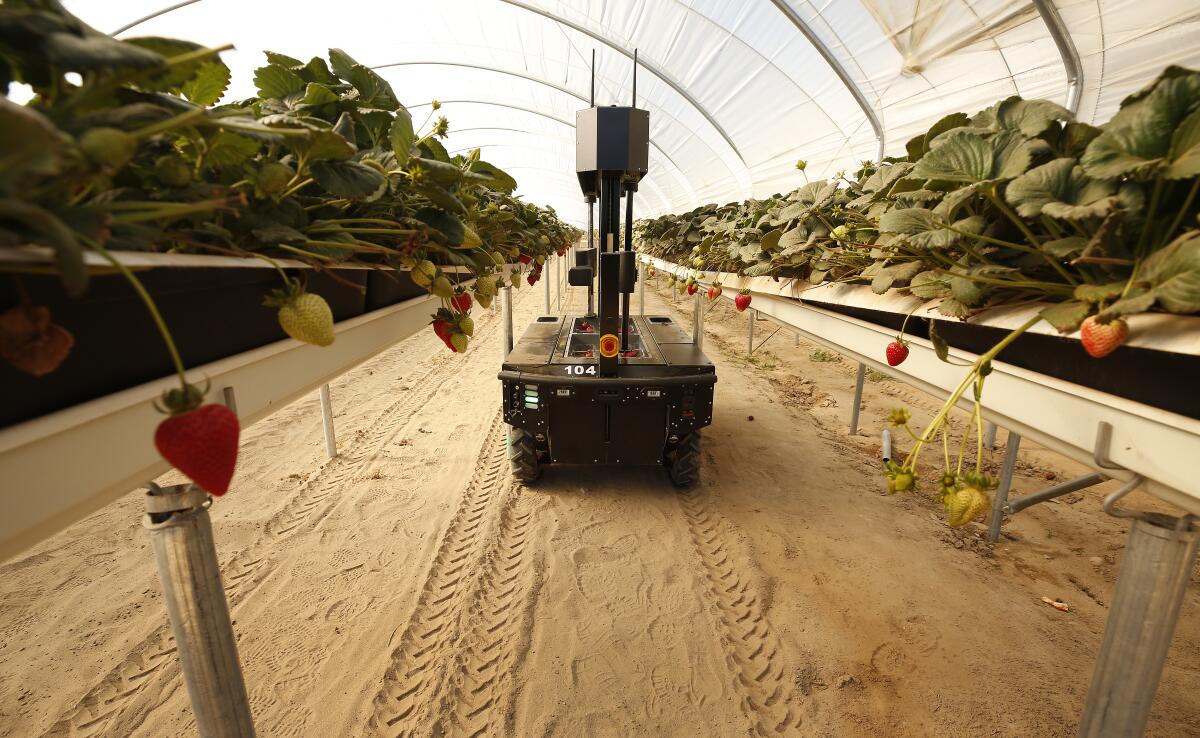
Credit: www.latimes.com
Indoor Farming Revolution
Hydroponics, a soil-less farming method, is gaining traction within the agricultural realm. Apples can indeed grow hydroponically, marking a transformative approach to cultivation. Growing apples this way offers significant benefits over traditional farming methods. Rather than relying on vast tracts of land and favorable weather conditions, hydroponic systems allow control over the environment. This includes variables such as nutrition, light, and water, fostering optimal growth conditions indoors.
| Hydroponics vs. Traditional Farming | Benefits |
|---|---|
| Space Efficiency | Less land is required |
| Water Conservation | Uses up to 90% less water |
| Year-Round Production | Not bound by seasons |
| Reduced Pests and Diseases | Less need for pesticides |
| Climate Control | Optimized growth conditions |

Credit: www.facebook.com
Basics Of Hydroponic Systems
Hydroponic systems let plants grow without soil. Plants get nutrients directly through water. This method can be highly efficient and space-saving. Apples are challenging but possible to grow hydroponically.
Core principles involve circulating nutrient-rich water around the plant roots. Oxygen supply is crucial. Constant monitoring keeps plants healthy. This ensures optimal growth.
| Type of Hydroponic Setup | Features |
|---|---|
| Wick System | Simple, no moving parts, good for beginners. |
| Deep Water Culture (DWC) | Roots in water, high oxygenation, faster growth. |
| Nutrient Film Technique (NFT) | Thin water layer flows over roots, efficient nutrient use. |
| Ebb and Flow | Timed flooding and draining, mimics natural cycles. |
| Aeroponics | Roots hang in air, fine mist delivers nutrients, very advanced. |
Apples In A Water World
Growing apples hydroponically is quite fascinating yet complex. Achieving success requires controlling many factors. Nutrient solutions must be precise. Also, maintaining proper water chemistry is vital. Hydroponic apple trees require significant space vertically and horizontally. This differs from smaller plants often grown hydroponically.
Hydroponic fruit farming confronts various challenges:
- Pest control becomes harder without soil as a natural barrier.
- Ensuring adequate pollination in an enclosed environment can be tough.
- Optimal lighting must replicate natural conditions which can be costly and complex.
- Mimicking the seasonal changes that apple trees need for fruit production is no small feat.
The Hydroponic Apple Orchard
Apples can be grown hydroponically, which means without soil. Instead, the roots get nutrients directly from water. The right water and light are key. For healthy growth, apples require specific conditions.
The best environment needs controlled temperatures and good air circulation. Proper nutrients are mixed in water to feed the plants. A balanced nutrient solution is vital. It must have the right amounts of nitrogen, potassium, and more.
Light is another crucial factor. Apple trees need a lot of light. This can be from the sun or artificial lights. LED lights work well to give plants the light they need.
Step-by-step Guide To Growing Apples Hydroponically
Growing apples hydroponically requires selecting suitable varieties. Focus on dwarf or miniature rootstock as they adapt better to hydroponic conditions. Find species with proven hydroponic success for greater yield.
Maintaining your hydroponic apple trees includes regular nutrient checks and water system assessments. Ensure the system offers adequate support for your trees as they grow. Pruning is essential to manage growth and improve air circulation. Constant monitoring will prevent most issues before they arise.
Key Considerations For Success
Success in hydroponic apple growing relies on consistent health checks. Regular observations for color changes, leaf texture, and growth patterns are crucial. Use a pH meter and EC meter to maintain water quality. Ensuring optimal nutrient levels is also key.
Disease and pest control is a vital aspect. Start by choosing resistant apple varieties. Implement integrated pest management (IPM) practices to minimize issues. Inspect the plants often and act quickly at any sign of pests or disease. Clean equipment and the environment to prevent outbreaks.
Tales Of Triumph
Hydroponic apple farming is gaining attention for its innovative approach. Farmers are experimenting with this method to grow apples without soil. Recent studies highlight promising results, suggesting a sustainable way to produce apples.
Reports reveal that hydroponic apples can have higher nutritional value and better taste. This advancement could revolutionize apple farming, offering a new income source for farmers. The economic implications are significant, with potential for increased crop yield and reduced water usage.
Credit: www.apartmenttherapy.com
Conclusion
Growth innovation meets tradition with hydroponic apple farming. This method offers a sustainable, space-saving approach to cultivating apples year-round. Embrace the future of gardening by considering hydroponics for your apple orchard dreams. Ready to take the plunge? Hydroponics could be your key to a bountiful, eco-friendly harvest.