

To grow hydroponic lettuce in a tower, start with seedlings and a hydroponic system setup. For healthy plant development, ensure water and nutrients flow consistently.
In limited spaces, hydroponic lettuce can be grown in a vertical tower. By leveraging vertical farming techniques, this method maximizes yield per square foot. The proper hydroponic setup, quality seedlings, balanced nutrients, and adequate lighting are all essential.
The controlled environment allows gardeners to use less water than traditional soil methods and often enjoy a faster growth cycle. To avoid common issues like nutrient deficiencies and diseases, pH levels and temperature control are crucial. A constant supply of crisp, fresh lettuce is produced with these factors in check. This approach will benefit urban dwellers and anyone looking to reduce their environmental footprint.

Credit: youtube.com
Hydroponic Lettuce Towers: The Basics
A hydroponic lettuce tower is a smart choice for urban gardens. Water is used efficiently, which is good for the environment. A hydroponic system allows lettuce to grow quickly. This makes it the perfect match for these towers.
Below is a table listing the key benefits of hydroponic lettuce:
| Benefit | Description |
|---|---|
| Water Savings | Uses less water than soil gardens. |
| Space Efficiency | Grows more lettuce in less space. |
| Fast Growth | Lettuce matures quicker than in soil. |
| Year-Round Production | No worry about weather or seasons. |
| Less Pests & Diseases | Reduces need for chemicals. |
Kids can observe roots grow with hydroponic farming. They can observe how lettuce absorbs water and nutrients. It’s fun and educational.
How to Build a Lettuce Tower
It is important to choose the right hydroponic system when building a hydroponic lettuce tower. Popular systems include Nutrient Film Technique (NFT), Deep Water Culture (DWC), and Aeroponic towers. Water usage and root exposure vary between systems.
Due to its simplicity and ease of maintenance, the Ebb and Flow model is recommended for beginners. It is also important for growers to consider space and scalability. For indoor spaces, a compact vertical tower is necessary, whereas outdoor areas can accommodate larger setups.
| Supply | Use |
|---|---|
| Hydroponic Nutrients | Feeds plants |
| pH Test Kit | Ensures ideal water conditions |
| Grow Media | Anchors roots |
| Grow Lights | Supports photosynthesis indoors |
| Water Pump | Circulates nutrient solution |
The Selection and Planting of Seeds
Hydroponic systems require the right lettuce variety. In water-based environments, loose-leaf lettuce and butterhead lettuce thrive. These types thrive in less stable environments. Growing Romaine efficiently uses space because of its tall growth.
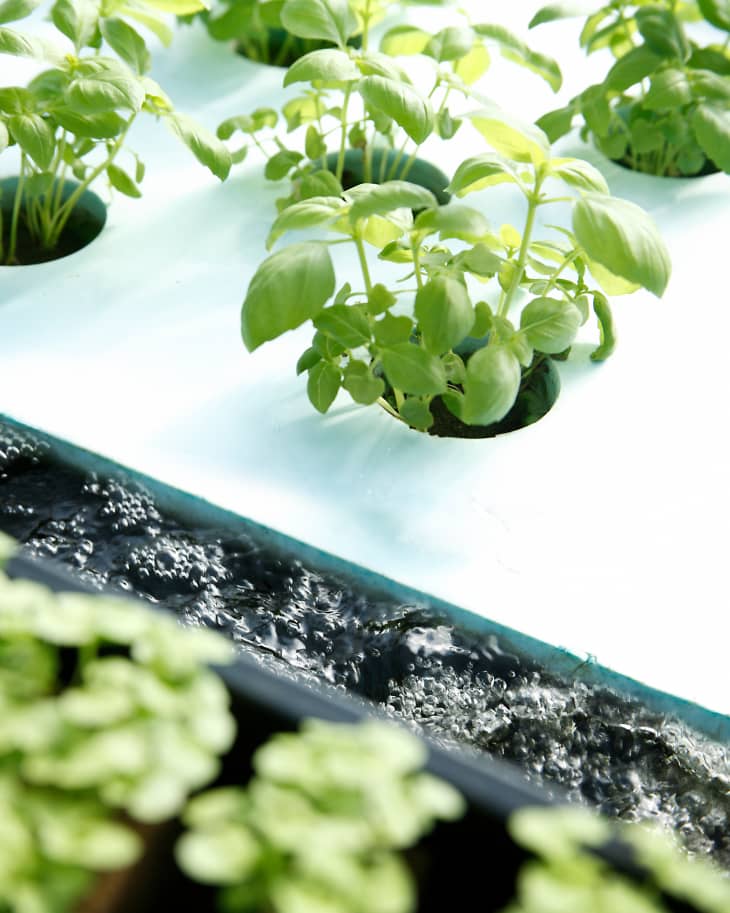
It is crucial to keep seeds clean before sowing them. To prevent disease, use a sterile seed starting mix. Seeds should be sprinkled on the medium and lightly covered. For optimal germination, keep the temperature around 68°F (20°C). It should take 2 to 4 days for seeds to sprout. Provide ample light after that to promote growth. In your hydroponic tower, this will encourage strong, healthy plants.
Credit: www.thekitchn.com
Hydroponic Lettuce Tower Maintenance
A healthy hydroponic lettuce tower requires proper water and nutrient balance. In order to circulate water efficiently, your system should include a reliable pump. Keep pH levels between 5.5 and 6.5 for optimal lettuce growth. Minerals should be provided using a high-quality nutrient solution.
The development of lettuce is greatly influenced by lighting. To maximize energy efficiency, use LED grow lights for 14-16 hours of light per day. Your lettuce will grow evenly if it receives consistent light exposure. Adjust the lights as the plants grow, keeping them approximately 12 inches above the ground.
Lettuce Harvesting
Picking hydroponic lettuce at the right time is crucial. It’s time when the leaves are lush and mature. A crisp, vibrant green leaf should feel crisp to the touch.
Make sure the leaves aren’t overgrown or starting to wilt. This indicates that the harvest is past its prime. You can pick ripe leaves by gently tugging on them; if they snap off easily, they’re ripe.
| Leaf Texture | Leaf Color | Ease of Picking |
|---|---|---|
| Crisp and firm | Vibrant green | Leaves snap off easily |
- Use clean, sharp scissors for harvesting.
- Pick early morning for optimal freshness.
- Harvest regularly to encourage growth.

Credit: letpot.com
Identifying And Addressing Common Challenges
Hydroponic lettuce towers often present unexpected challenges. Pests and diseases can quickly become a problem. Aphids, a common pest, love lettuce leaves that are tender. Use organic insecticidal soaps or beneficial insects like ladybugs to combat these problems. Proper water circulation and system cleanliness are crucial for preventing diseases such as root rot.
System issues are another critical factor to consider. Plants with stunted growth or wilted leaves are often a sign of these problems. Ensure that the pumps and timers are working properly. Check pH and nutrient levels regularly. Maintaining the ideal environment for your lettuce may require adjustments. Monitoring and maintenance are the best defenses against these problems.
A Final Note
Space-saving hydroponic lettuce can be grown in a tower. Fresh, healthy supplies can be obtained right at home using this method. Your vertical garden will flourish if you follow the steps outlined. Don’t forget to monitor, adjust, and enjoy the fruits of your labor.
Have fun gardening!